- info@shrivinayakhospital.co.in
- 24/7 Emergency Services



Gynaecology Departments
Normal & Painless Delivery
The common symptoms of labor are
- Onset of labor pains i.e. contractions that gradually increase in amplitude
and frequency.
- Passage of thick blood stained mucoid discharge.
- Breaking of the forewaters i.e. leaking of the liquor.
The common signs of labor are
- Confirmation of the above
- Dilatation of the neck of the womb i.e. cervix
- Descent of the presenting part of the fetus
First stage
This starts from the onset of labor to the time of full dilatation. The woman is admitted to the delivery suite. Monitoring of the labor process is done continuously to ensure that there is good progress. Cardiotocographic monitoring is routinely done to ensure wellbeing of the fetus.
Painless labor
In modern obstetrics there is no place for a painful labor. The timely use of epidural analgesia has made labor a memorable experience.
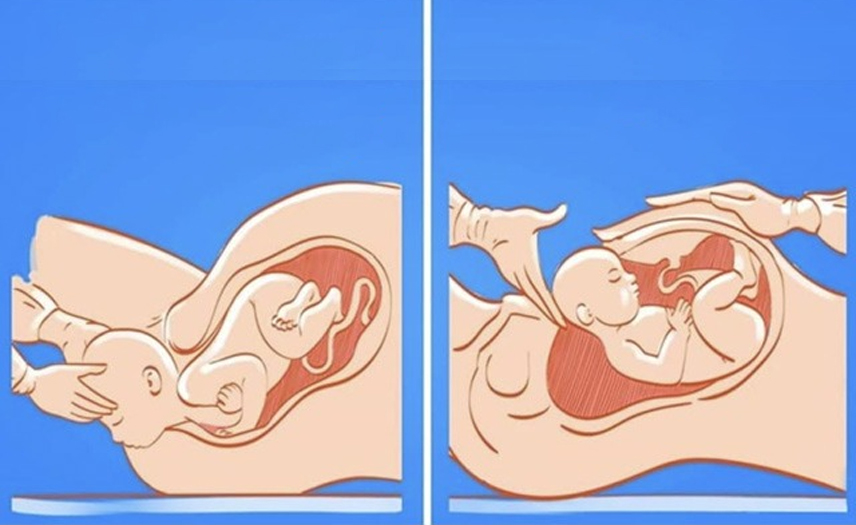
Second stage
This starts from full dilatation to the delivery of the fetus.
This stage is also very crucial as prolonged second stage can lead to
instrumental and /or traumatic delivery for the mother, fistulas and asphyxia in
the fetus.
Third stage
This stage starts at the delivery of the fetus and ends with the delivery of the
placenta.
This is an important phase where in sudden large amount of blood loss can occur
due to various reasons.
Active management of this phase is required as the blood loss can be prevented.
Need a Doctor for Check-up? Call for an Emergency Service!

